| Charity No: 1197240
In this blog, Tiffany Maswaya explores the growing issue of online bullying and its impact on young people's mental health, confidence and wellbeing. Drawing on personal experiences, real-life case studies and current research, she examines where cyberbullying happens, who is most affected and what can be done to prevent it. The blog also offers practical advice for young people, parents and educators on recognising online bullying, seeking support and creating a safer digital environment. By raising awareness and encouraging empathy, Tiffany highlights the importance of working together to tackle cyberbullying and protect young people online.
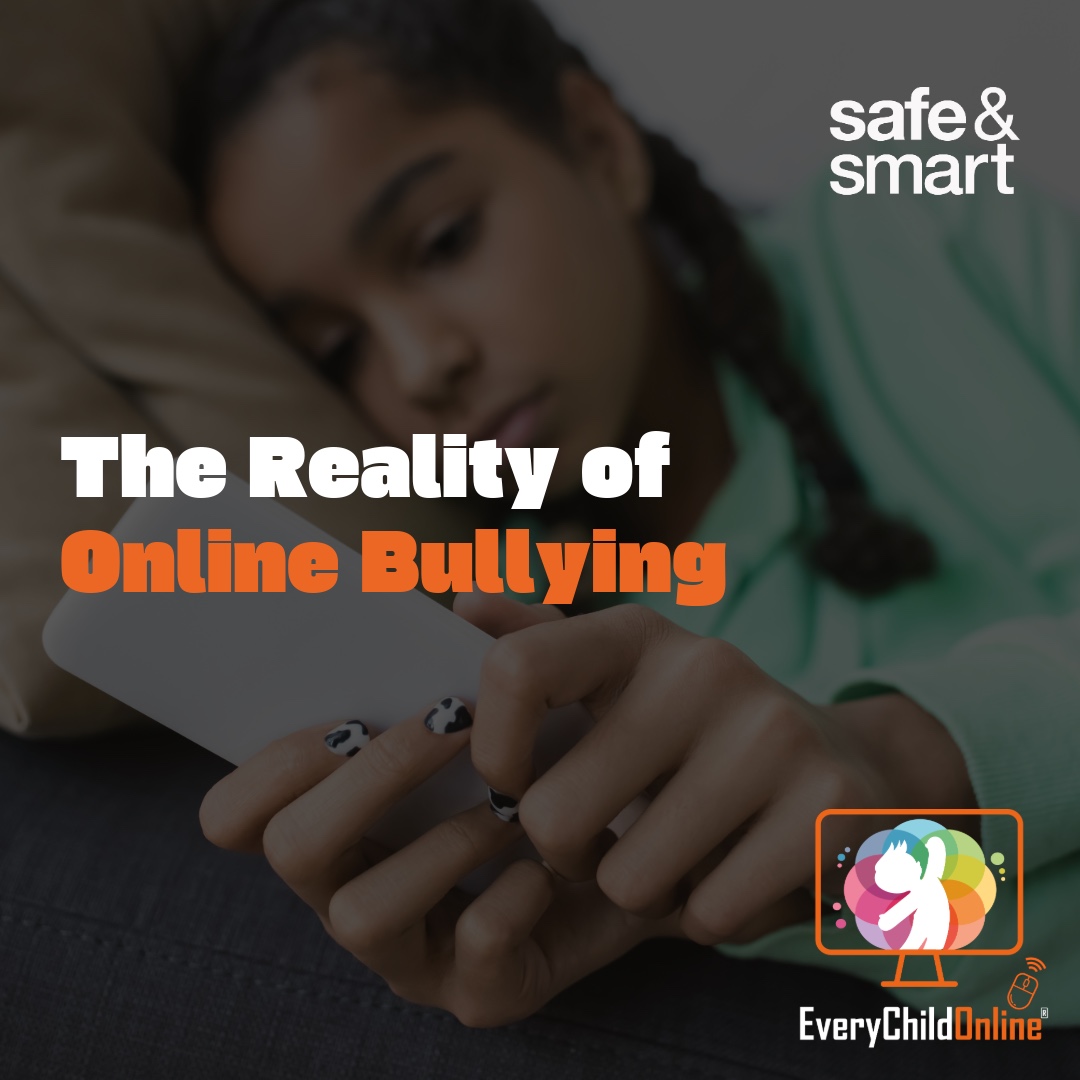
By Tiffany Maswaya, Every Child Online Volunteer
Introduction
"Bullying is far more widespread now it is online – it is not just your time in school. It affects your social life. Your social life is online. How many people like your status or your picture. Social pressures are just made worse." These are the words of a young person quoted in the Anti-bullying Alliance’s Cyberbullying and children and young people with SEN and disabilities. This statement shows how severe online bullying is especially in an increasing digital world.
The issue of online bullying deserves greater attention because of the serious effects it can have on a person's wellbeing, confidence and reputation. I have personally witnessed coordinated group chats made, and used to target and insult an individual, deliberately provoking them and humiliating them. As a fifteen-year-old-girl, I have also seen how rumours can rapidly spread online, attracting unwanted attention and making a person feel helpless. In many cases, it is hard to determine what is true and what is fabricated, allowing harmful misinformation to spread.
For these reasons, I believe online bullying must be addressed more effectively. Through this blog, I hope to raise awareness of the harsh reality of online bullying and encourage readers to reach out and recognise the impact bullying has on young people as a society.
What is online bullying?
According to the Antibullying Alliance, online bullying or cyberbullying is any form of bullying carried out through use of electronic media devices, such as computers, laptops, smartphones, tablets, or gaming consoles.
Online bullying differs from traditional bullying because it is done at any time and often feels more intense.
The anonymity of the internet can make people more willing to send harmful messages because they do not have witness the immediate impact of their actions.
There are different types of online bullying you need to be aware of.
Where does online bullying happen?
Social media contributes to a large amount of online bullying that happens to young people. An Ofcom study in 2024 showed that 32% of children aged 8 to 17 have experienced bullying online. The main platforms used to bully individuals include Snapchat, Instagram, YouTube and TikTok. Additionally it can also occur on platforms like Roblox and Twitch.
People often assume that online bullying can only occur through public comments on social media. However, the NSPCC found that 70% of online grooming and bullying cases occur in private or encrypted messaging apps such as WhatsApp, Snapchat and Discord. These private spaces can make it easier for bullies to target individuals online without others noticing. This can leave victims feeling trapped, as the bullying may continue away from the public eye.
Who is most affected?
Teenagers are particularly vulnerable to online bullying as for many of us it plays a significant role in our social lives. Bullies often target individuals they perceive as vulnerable or different to their peers, including those who are targeted because of their race, sexuality, religion, disability or neurodivergence.
Research by Skills training group discovered that girls are more likely to experience certain forms of cyberbullying, particularly image-based abuse, exclusion from group chats and coordinated harassment. Overall, 59% of girls have reported having experienced cyberbullying. In contrast, boys are more likely to experience bullying through gaming platforms, with 41% reporting that they have been cyberbullied at some point in their lives.
Who becomes a bully?
According to stop bullying.gov, there are two types of kids more likely to participate in bullying.
Some are socially influential, concerned with maintaining their popularity and enjoy having power/control over others.
Others are more isolated, have low self-esteem, are vulnerable to peer pressure or do not identify with the emotions or feelings of others.
Research suggests that certain factors are more common among children who bully others. This includes being more aggressive; limited parental involvement; having issues at home; finding it difficult to follow rules; being desensitised to violence viewing it as normal; having friends who also bully others.
Please note these are simply just factors that may increase the risk of being a bully, and do not automatically mean you will become one.
What if you are the bully?
Bullying is never acceptable. But the first step toward personal growth taking accountability and recognising that your behaviour is bullying. Bullying is harmful not only to the person being targeted but also to yourself. It can damage relationships, affect your character and, depending on the severity of the behaviour, have grave consequences that may harm your reputation.
Childline’s advice on bullying
“If you have bullied someone online, recognise that your actions can cause harm. Delete any harmful posts or messages, leave group chats where bullying is taking place and apologise. Encourage others to stop bullying and think about how you can behave more positively in the future.”
The impact on Victims – Megan’s Story
During secondary school – particularly in year nine (aged thirteen) – Megan experienced both online and face-to-face bullying. This led to her having to deal with anxiety, self-harm, and difficulties with eating. So, she made the decision to move schools hoping to escape the bulling however this was not the case. A friend, someone she trusted pressured her into sending a private image of herself. This image was later shared around the school without her consent which resulted in more cyberbullying and harassment. As a result, Megan’s mental-health deteriorated and she struggled with isolation and suicidal thoughts. With support from Childline, her family and mental health professionals she went on to recover and use her experience to help others.
Megan's experience demonstrates the serious impact online bullying can have on victims. The harassment she faced affected her mental health, self-esteem and sense of safety, showing how cyberbullying can extend beyond the screen and influence many areas of a person's life. Her story also highlights how quickly harmful content can spread online, it shows the importance of seeking support, as access to counselling and trusted adults played a key role in her recovery.
The NSPCC published Megan’s story to raise awareness of the impact of cyberbullying on young people. After experiencing online harassment and its effects on her mental health, Megan turned to Childline for support. Her experience provides a valuable insight into the challenges faced by victims of cyberbullying.
The Impact on Families
I recently watched a documentary on Netflix called “Uknown Number: The High School Catfish.” Teenager Lauryn and her boyfriend Owen received threatening and harassing messages from an anonymous number for over two years. The messages escalated to death threats and psychological abuse, leading to an FBI investigation. Shockingly, the person responsible turned out to be her own mother!
The discovery had a devastating effect on the family, resulting in her parents getting a divorce due to a complete breakdown of trust. This case demonstrates how cyberbullying can cause long-term emotional harm and in extreme cases, lead to the breakdown of family relationships.
Why do people not report online bullying?
According to research done by mental health first aid course UK, 18.1% of children who experienced online bullying did not tell anyone about their experiences. This raises the question of why victims choose not to report it.
One reason is that some young people may not initially realise that they are being bullied. What starts as a joke between friends can escalate and make the person feel hurt or upset. Because it takes place on social media it can also be seen by others who may join in, making the situation worse and more uncomfortable for the victim.
Another reason is fear that reporting the bullying will not help or may even make the situation worse. Some teenagers worry that if they tell a parent, teacher, or counsellor, the bully may retaliate, leading to further harassment.
A third reason is that some young people are afraid of losing access to their devices or social media. Parents may respond by restricting phone use or deleting apps. This feels like a punishment and discourages victims from speaking out.
What to do if you are being bullied?
If You are experiencing online bullying, I advise you to reach out to someone. Whether it is to friends, family, staff at school or counsellors it is the best way to get help. Together, you can tackle the problem and stop the bully.
If you are being cyber bullied, Childline advises you to:
What if you feel like retaliating?
If you are being cyberbullied, it is important not to retaliate or respond aggressively. Replying to hurtful messages can sometimes encourage the bully to continue, as they may see your reaction as a reward for their behaviour. A useful way to think about this is "don't feed the lions”, your response can act like food for the bully, giving them the attention they want. Instead, block the person, save evidence of the bullying, and report it to a trusted adult or the platform involved.
How schools, parents and platforms can help
There are multiple different websites that help young people manage cyberbullying. Some websites include NSPCC, Childline, Internet Matters, The Anti-Bullying Alliance and Young minds.
Between 2023 and 2024 Childline delivered around 99,000 counselling sessions to young people.
Conclusion
To conclude, behind every message, comment, or post is a real person who is deeply affected by words that are often sent without thought. It is important to understand that cyberbullying can damage mental health, relationships and a person’s sense of safety, sometimes with long-lasting consequences.
This is why empathy and kindness online matter so much. If more people paused to consider how their actions might make others feel, many harmful situations can be prevented before they begin.
Ultimately, taking a stand against cyberbullying is not only about stopping harm, but about creating a society where respect and kindness online is the reality. The online world is shaped by the people who use it, and each of us has a responsibility to make it safer.
Click here for access to our online bullying resources.
Looking for help with a device? Please note that Every Child Online does not provide devices directly to members of the public. *
We’d love to hear from you! Whether you’re interested in partnering with us, making a donation, or simply want to learn more about our work, please get in touch using the form.
*Every Child Online operates within the UK only. We provide support through trusted referral partners, including schools, charities, social services and community organisations. We do not supply devices directly to members of the public or outside the UK.